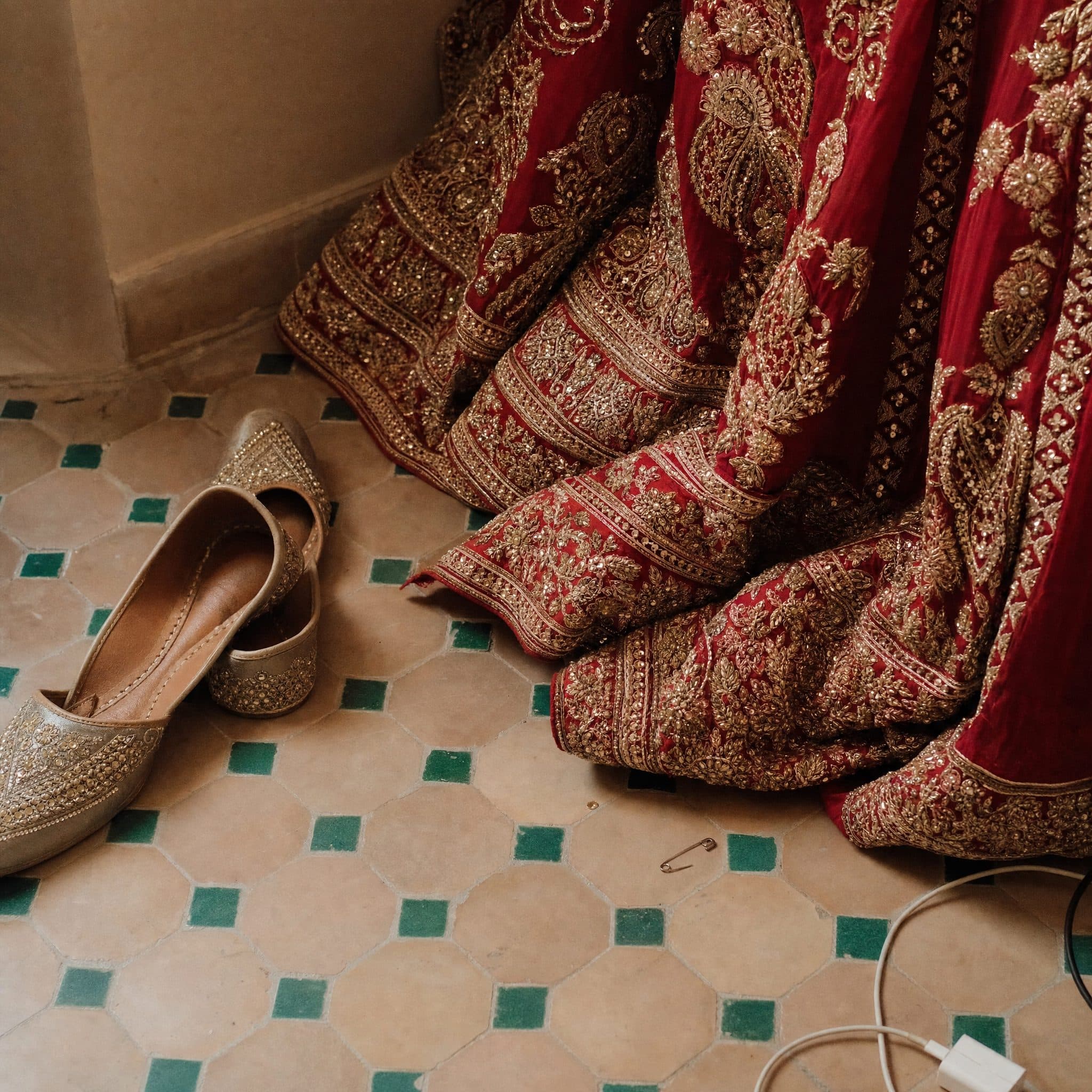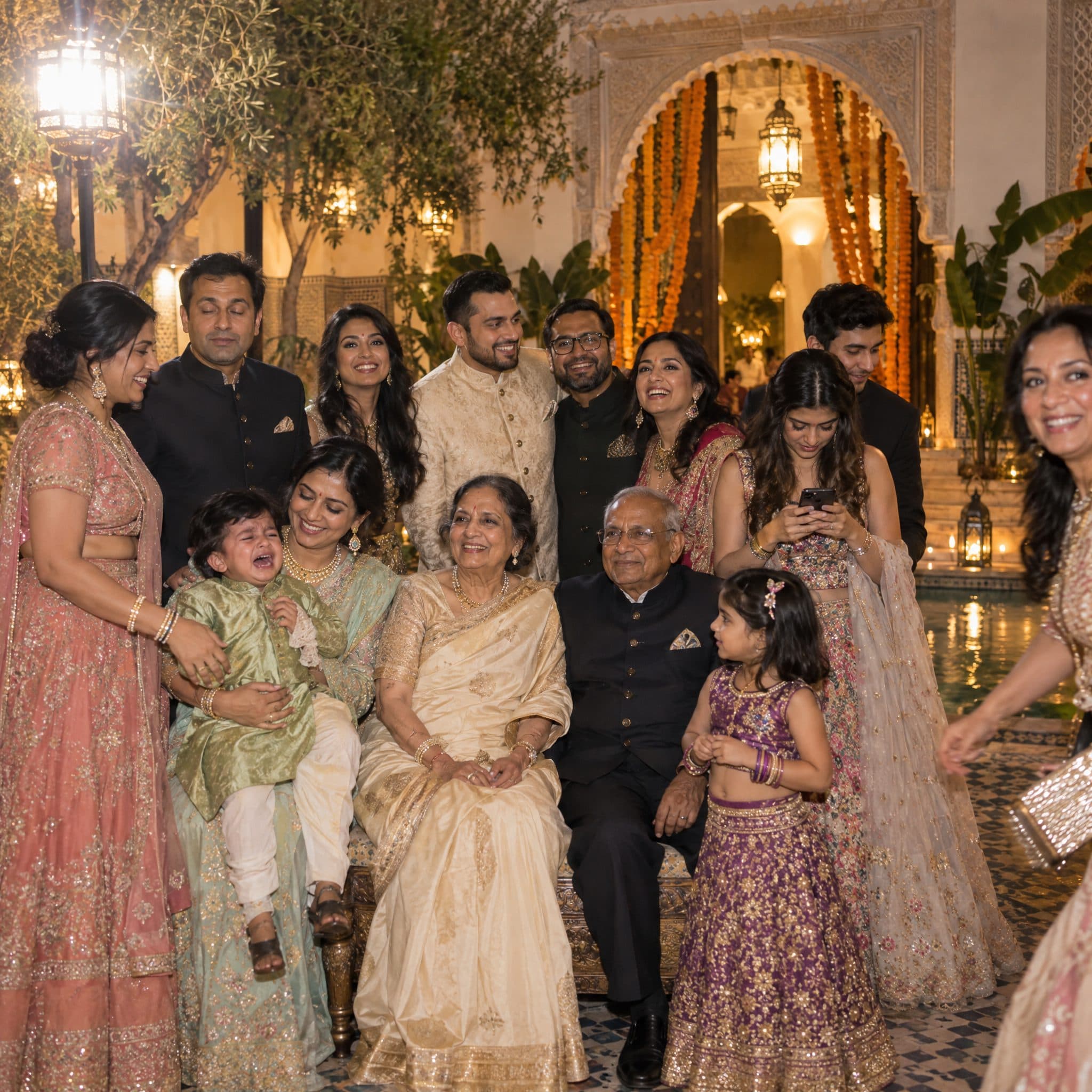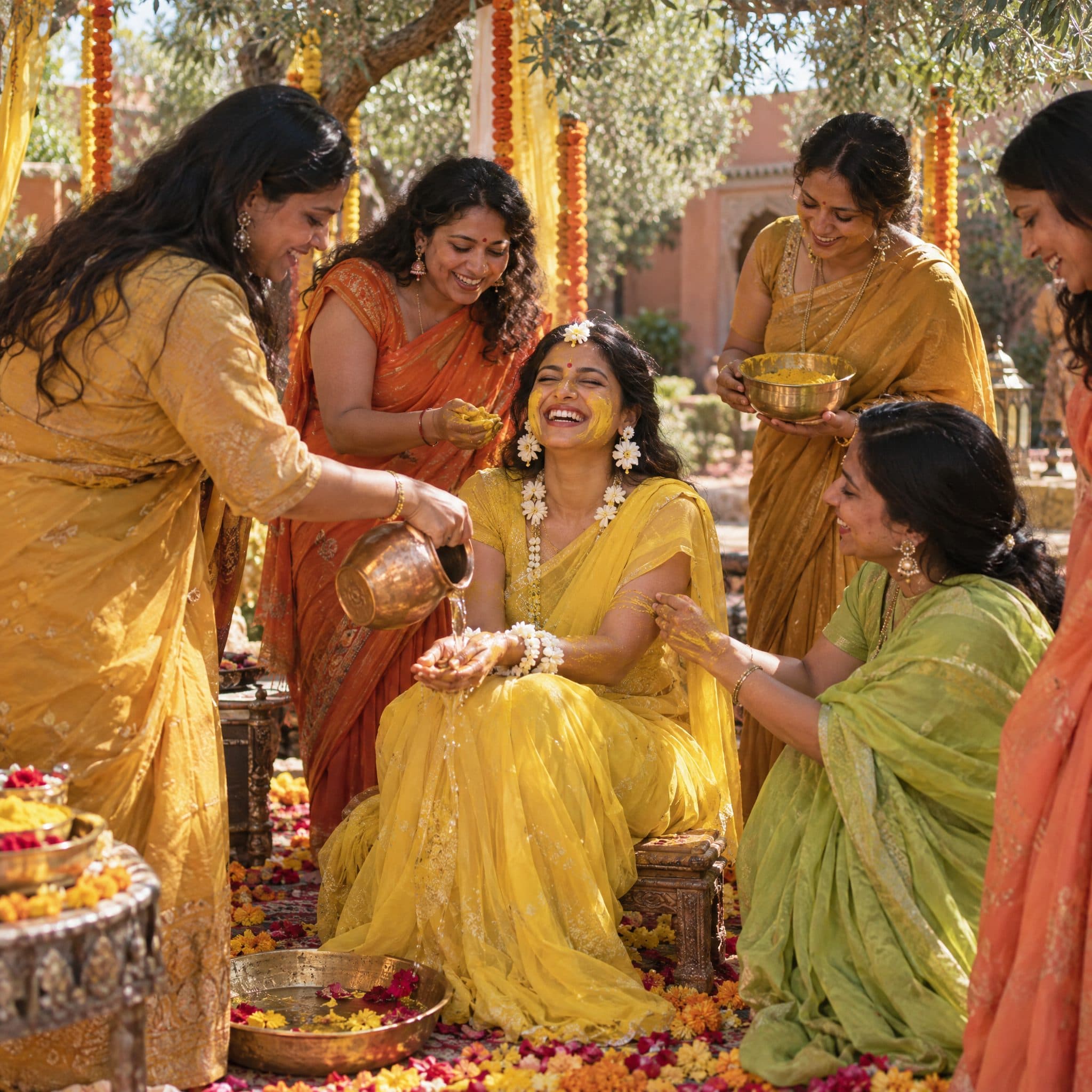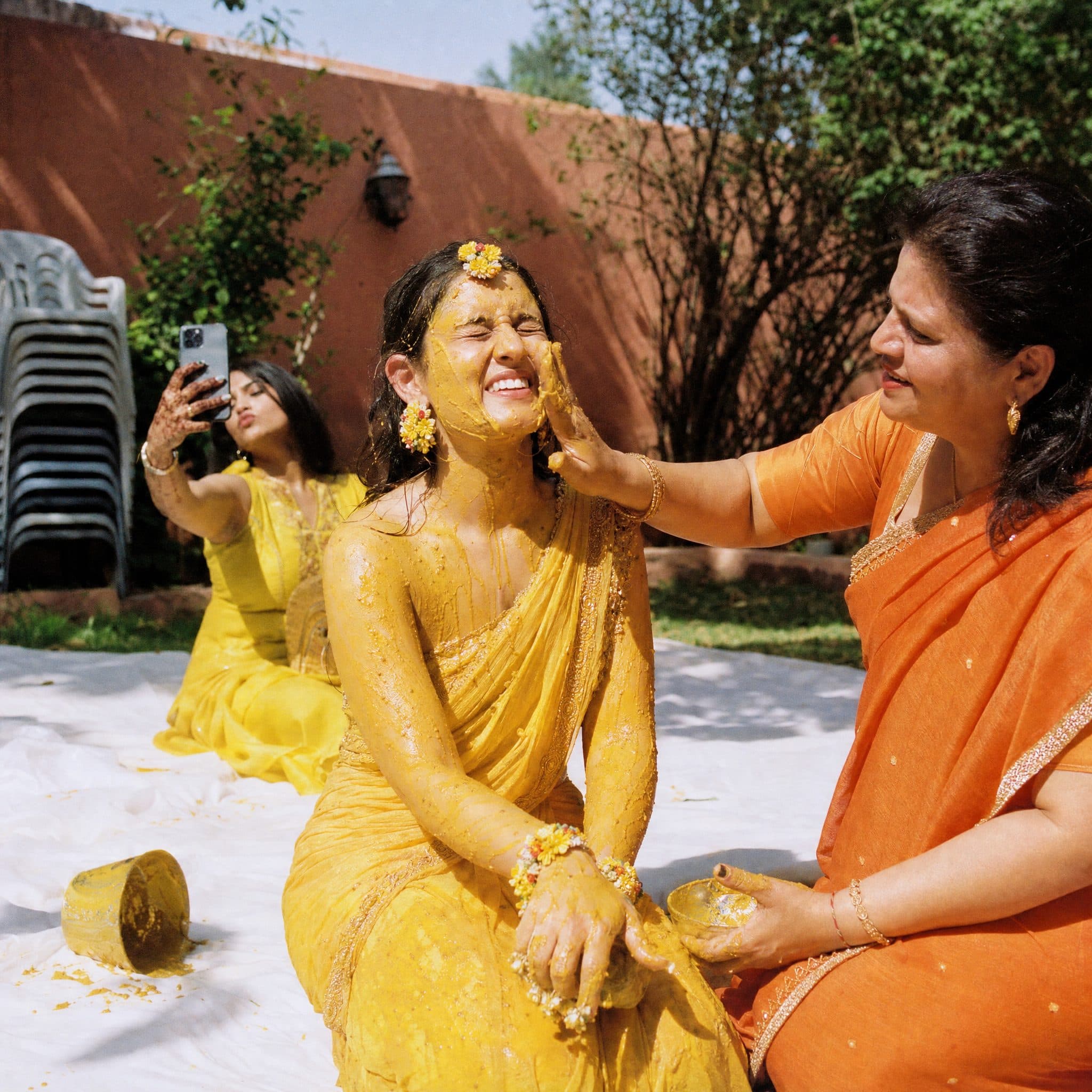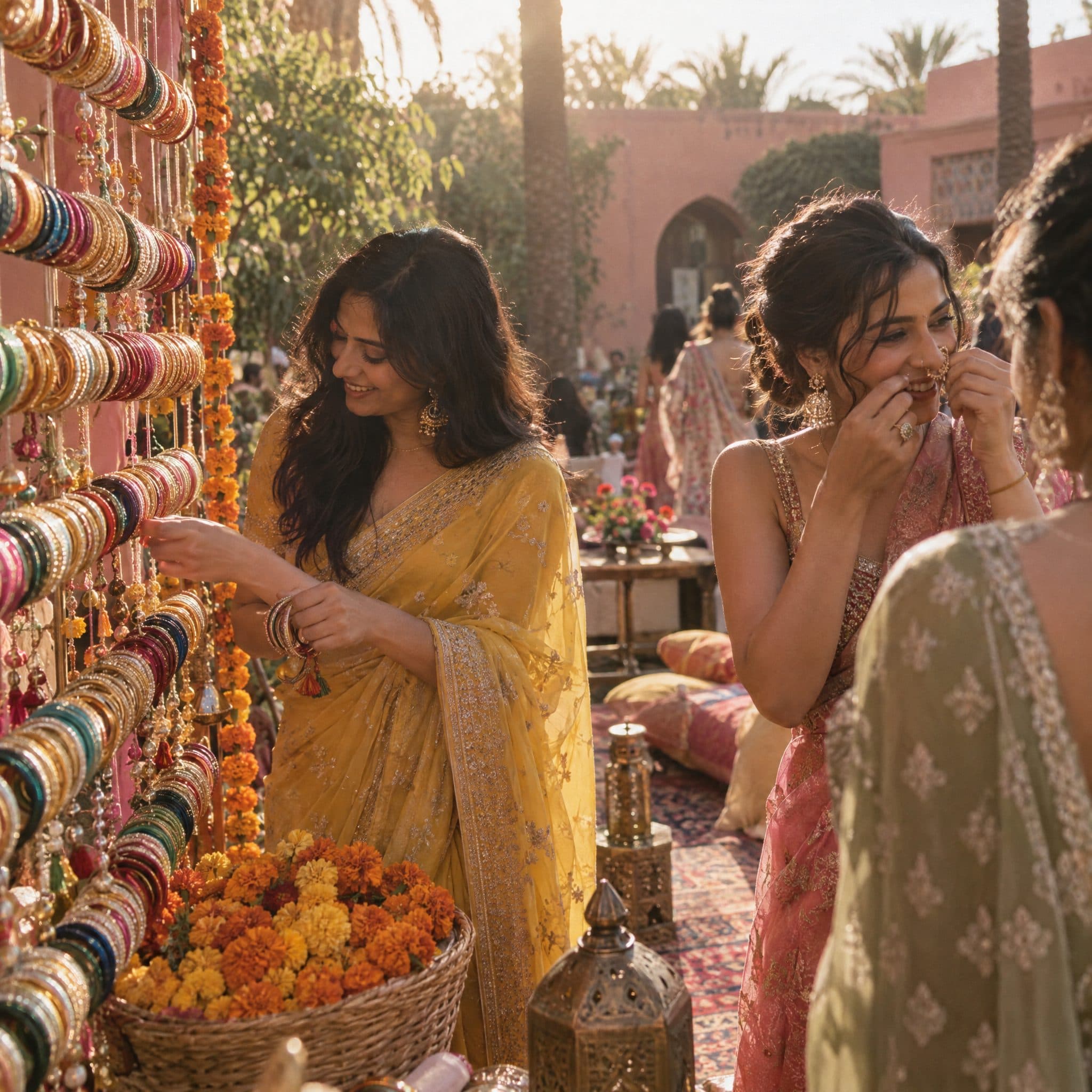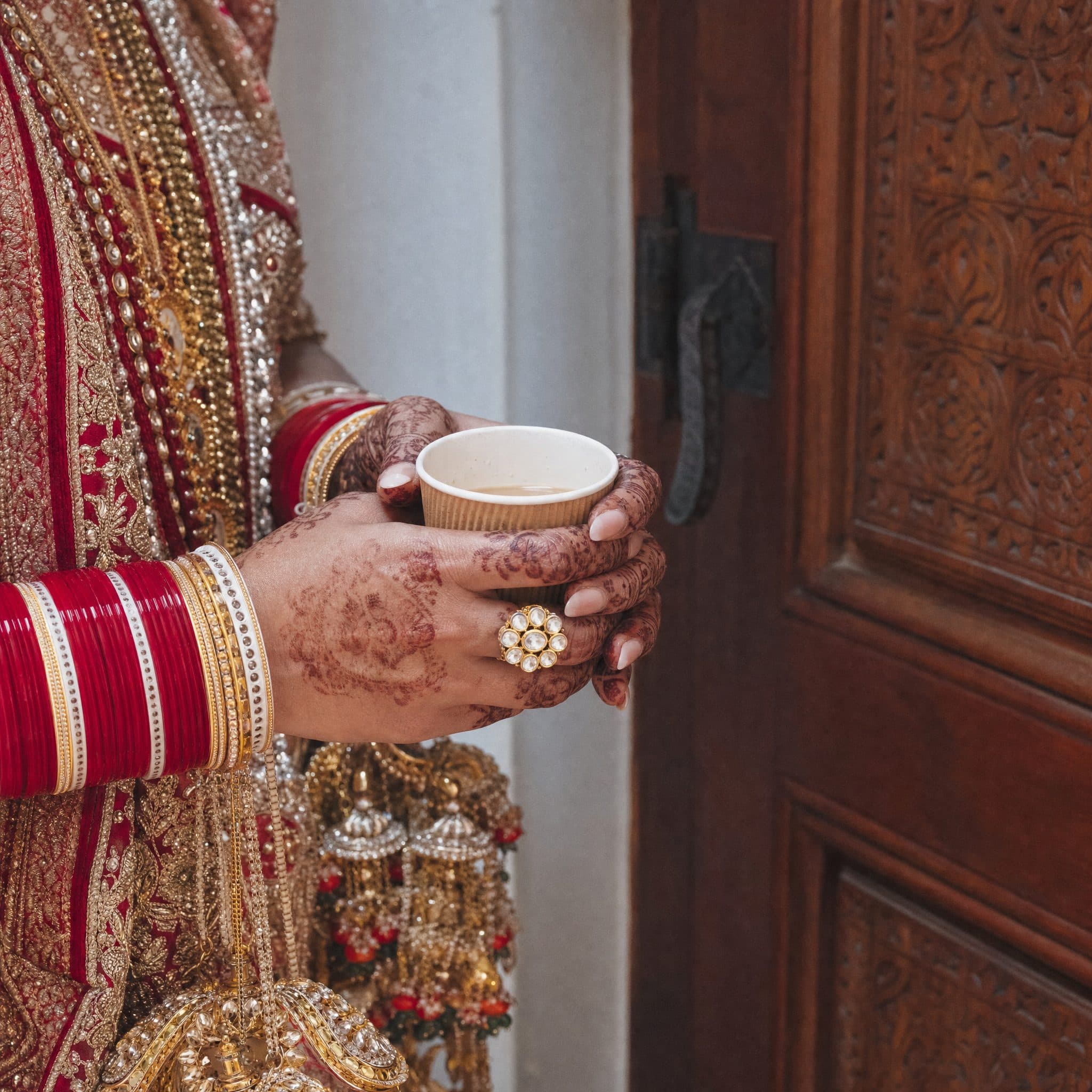
A four day Indian wedding is not four parties in a row. It has a shape, and the shape is deliberate: it starts loose and barefoot, tightens through two long nights, arrives at the one formal hour the whole week exists for, and then empties. Read in that order, every decision about the week makes sense. Read as a list of events, none of them do.
The arc, and why the order is what it is
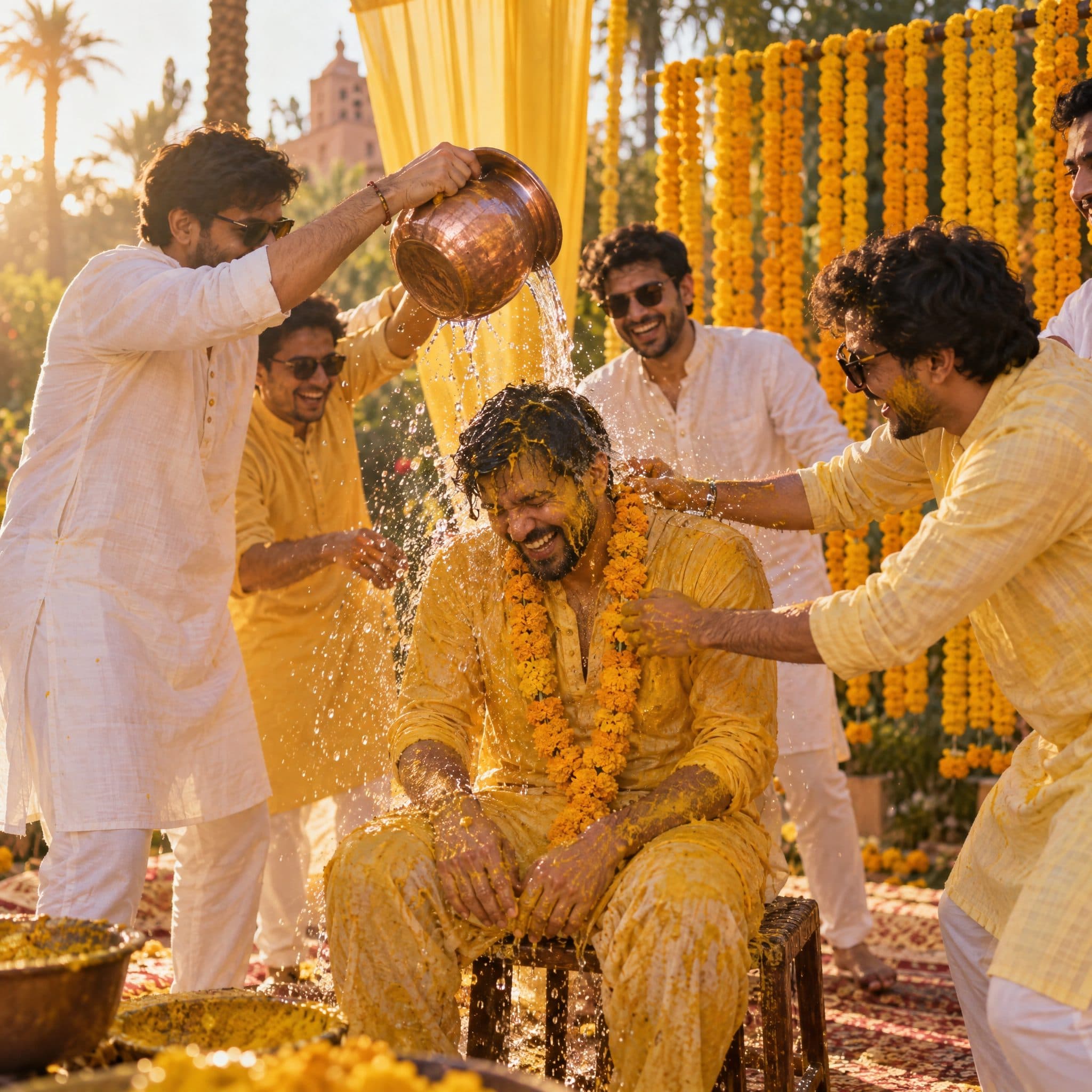
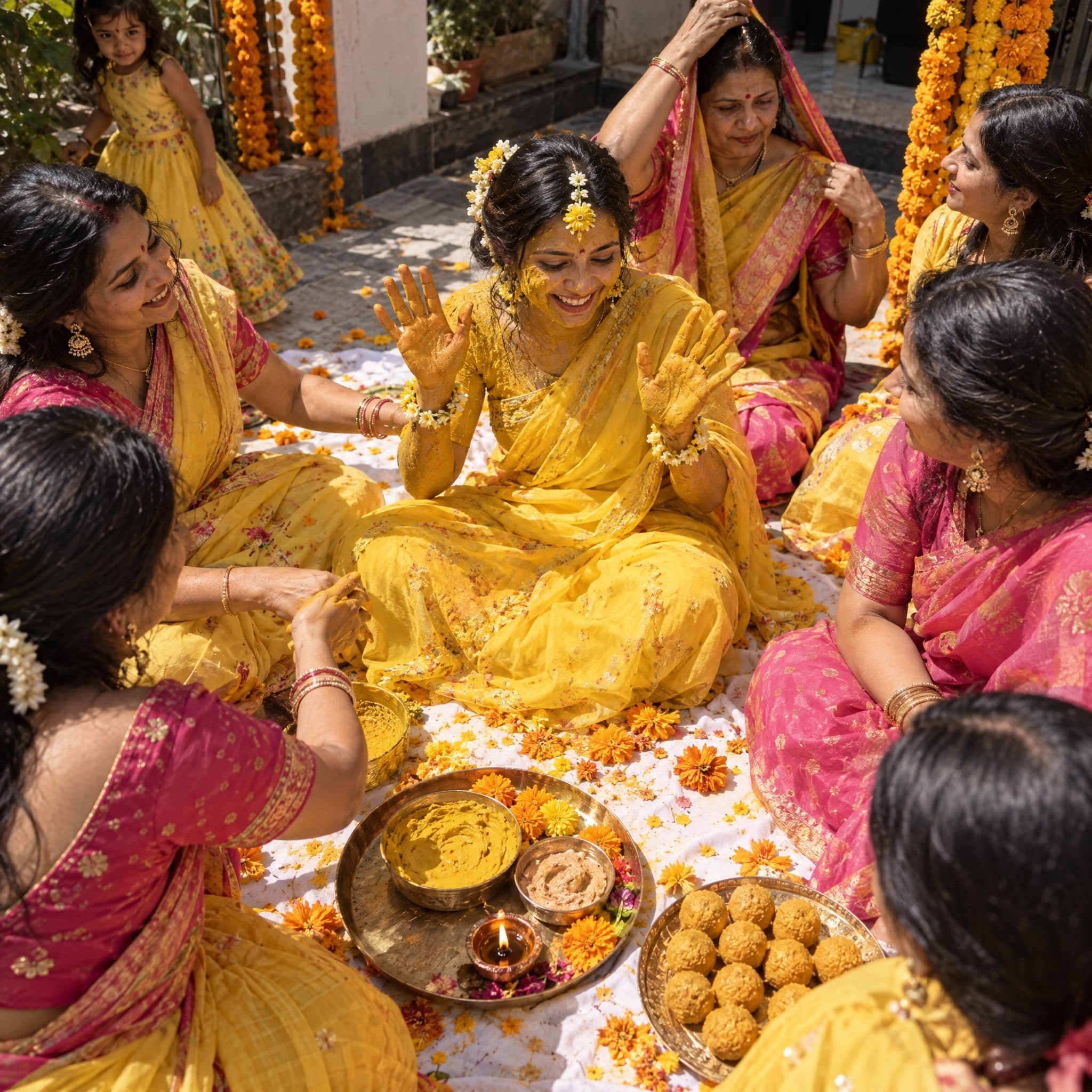
The Haldi is first because it is the least formal thing that will happen all week, and because turmeric needs a day to fade. It is family only, on the ground, in the morning, and nobody is dressed.
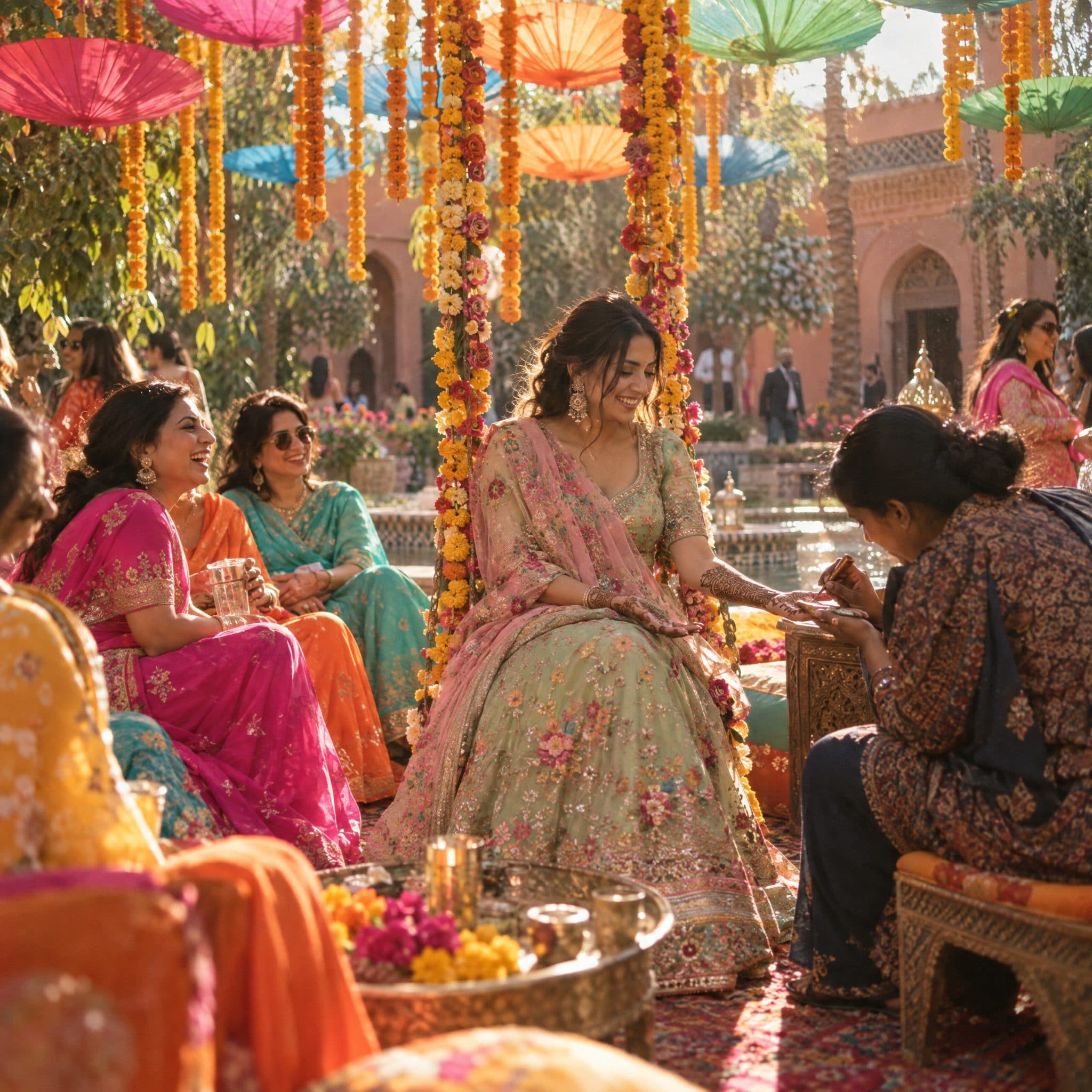
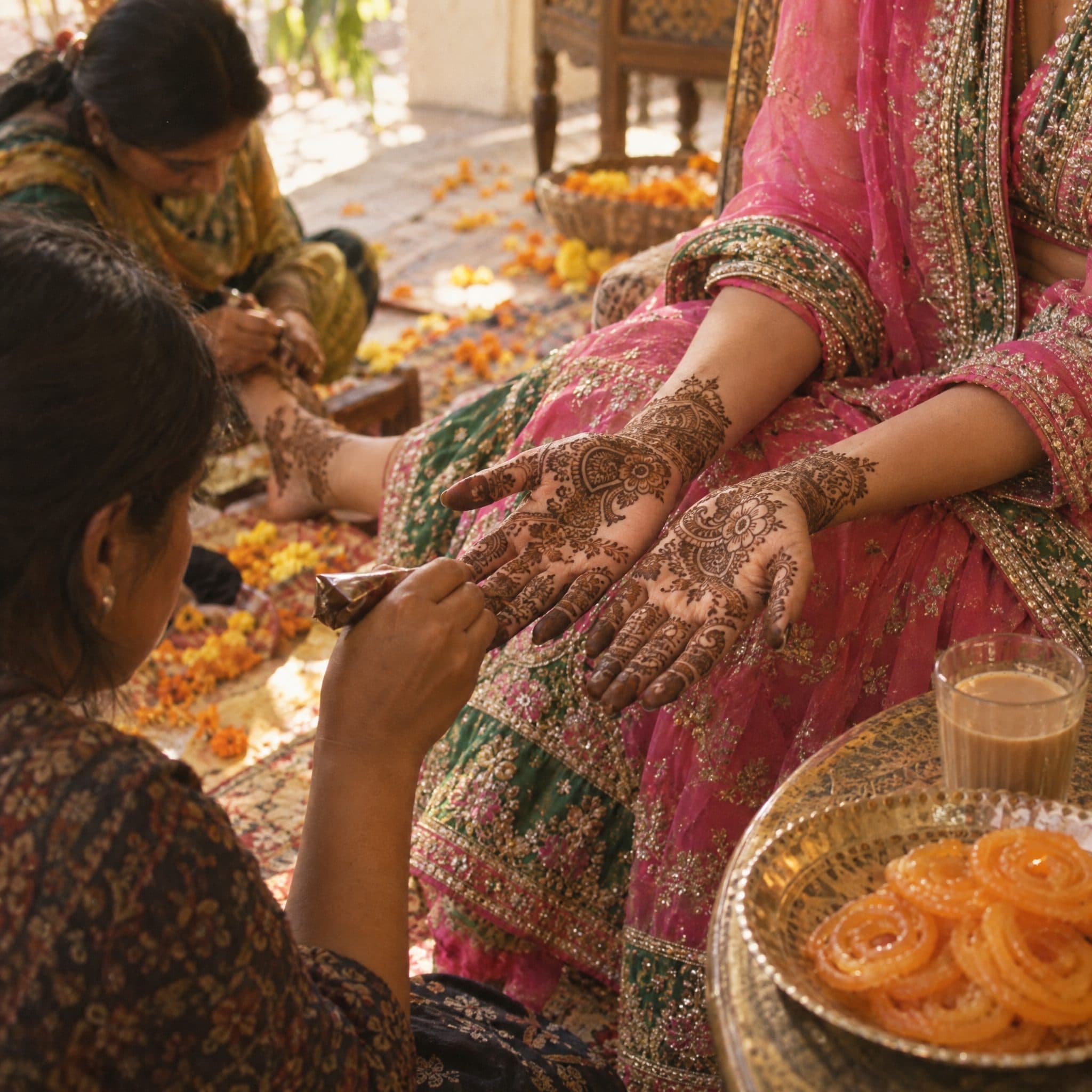
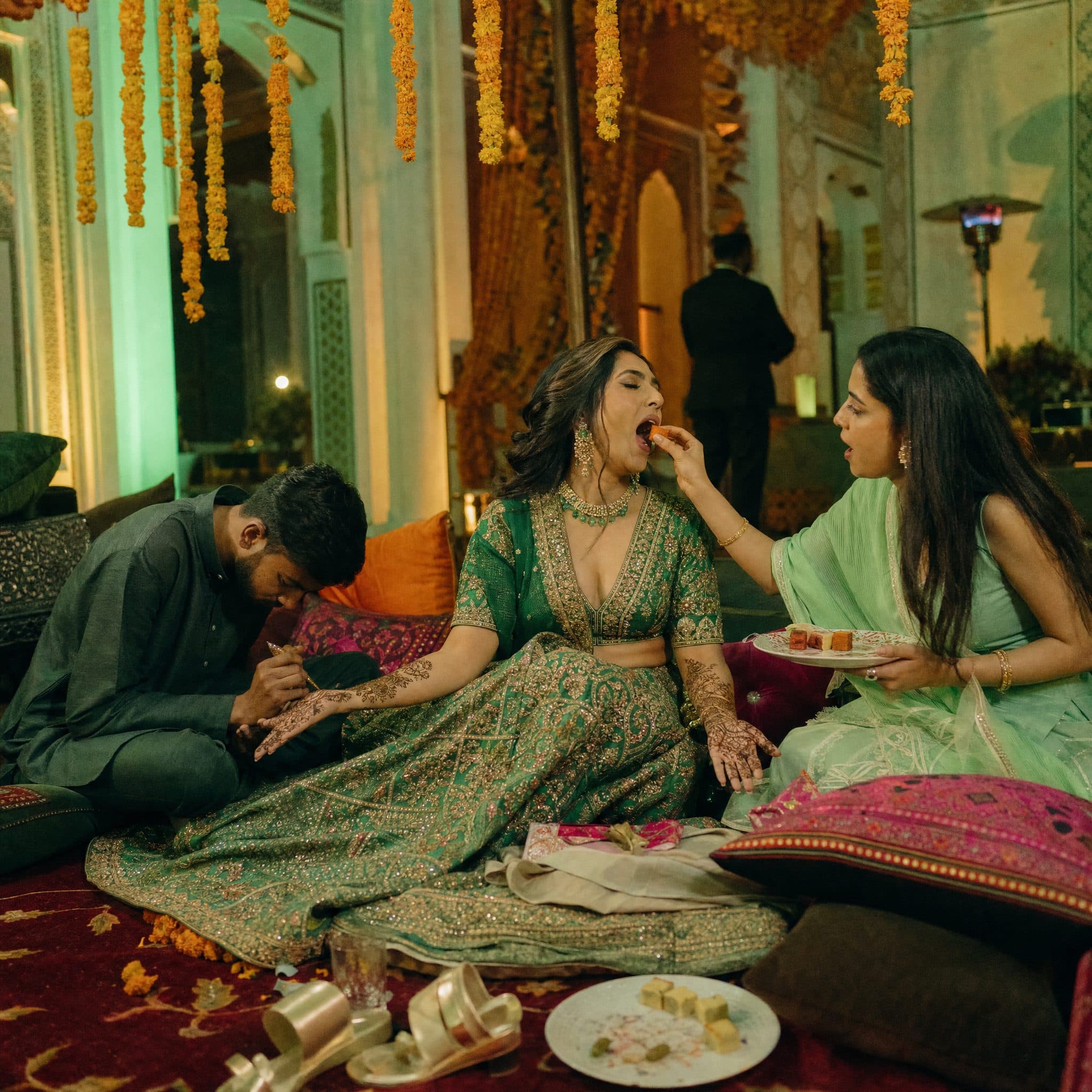
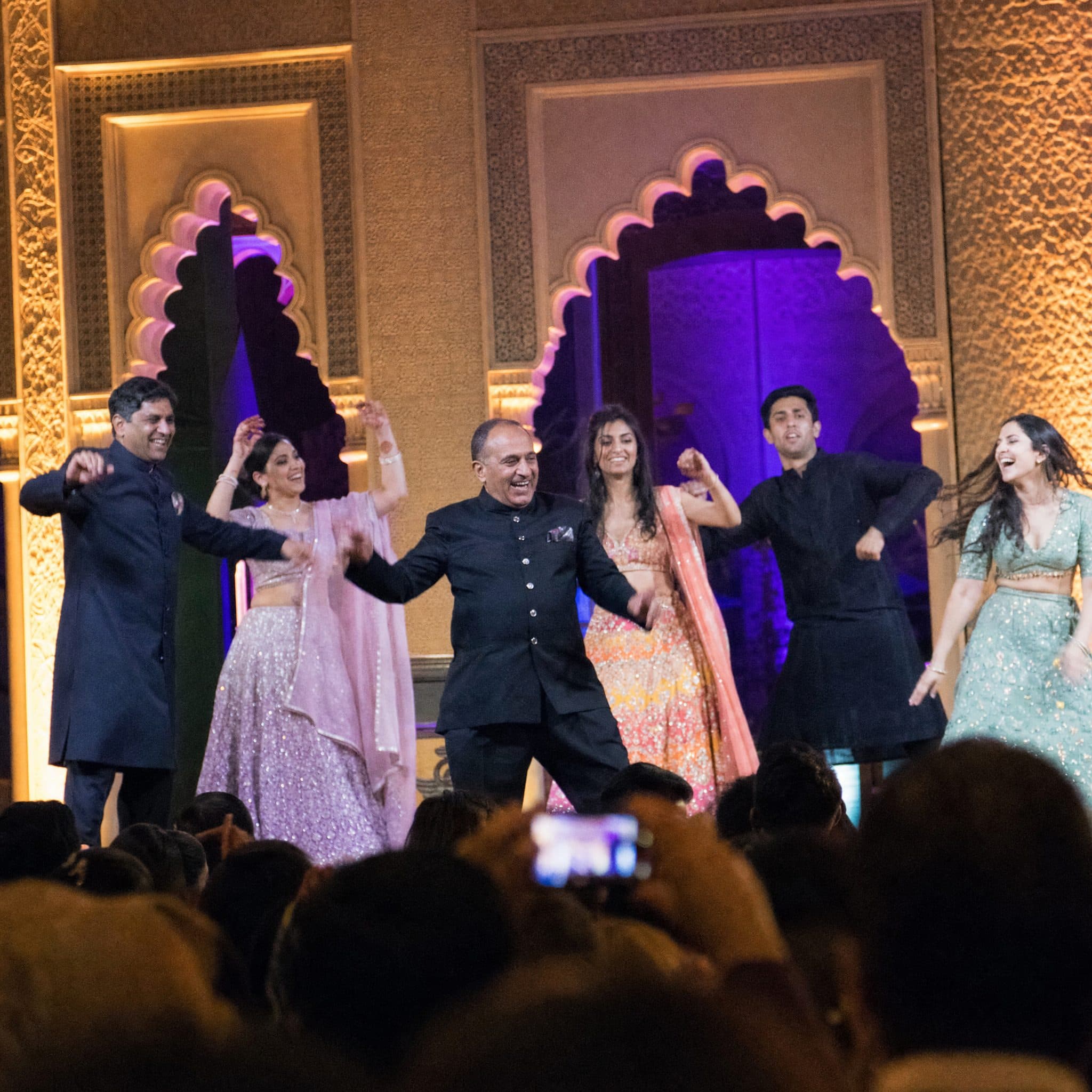
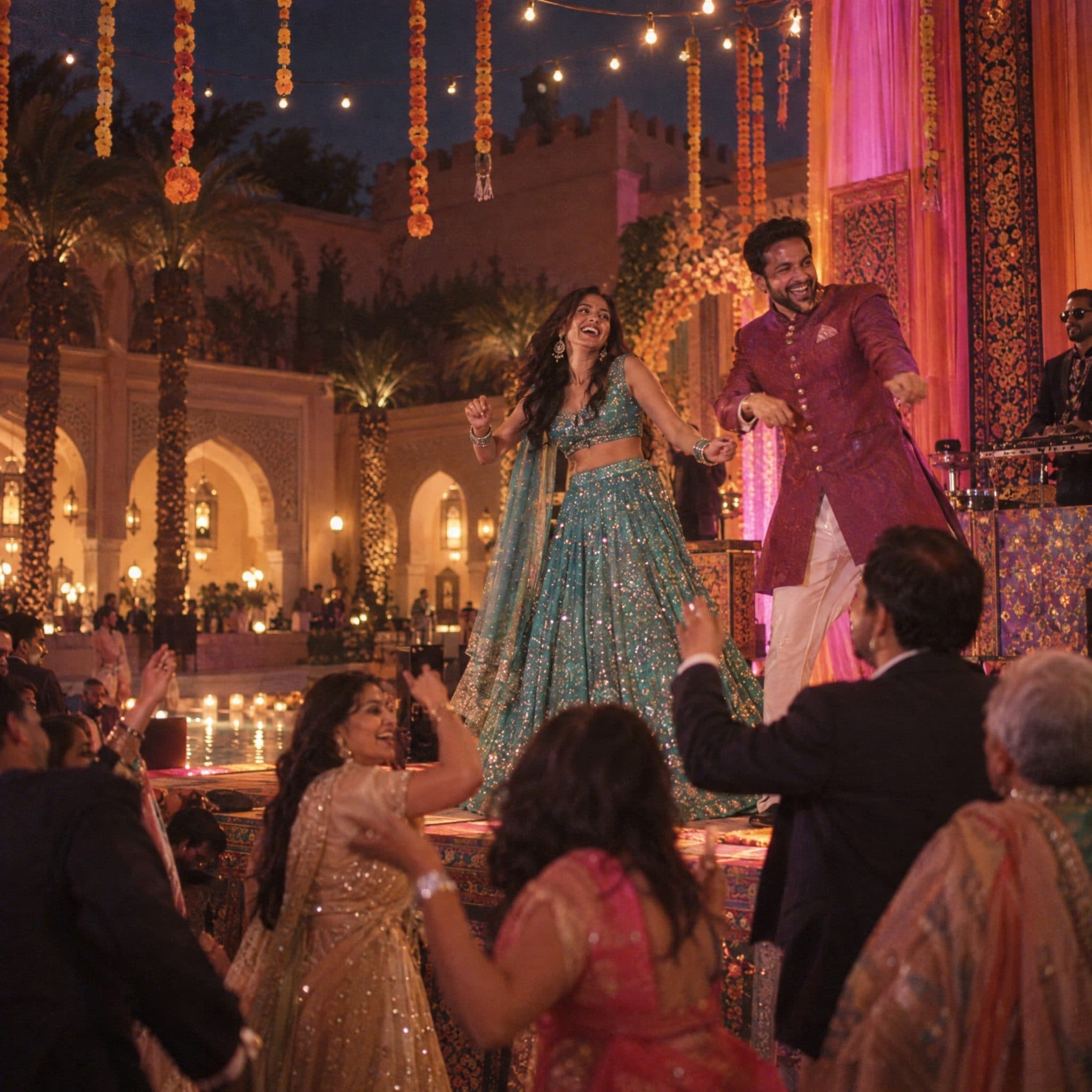
The Mehndi is long and slow, and it sits in the middle of the day because henna needs hours to dry. The Sangeet is the loudest night and it comes before the ceremony rather than after, because the family needs to have already danced together before the morning that matters.
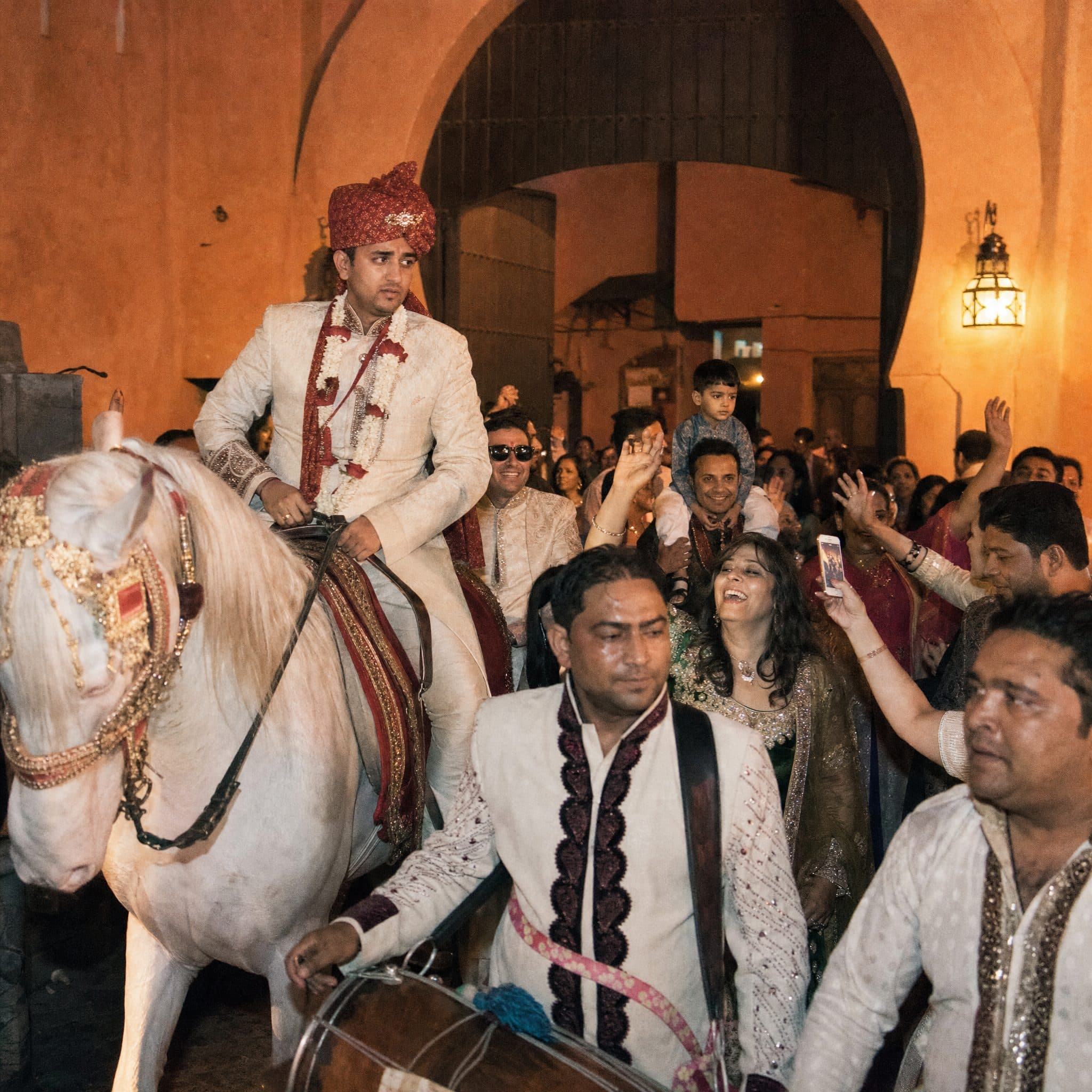
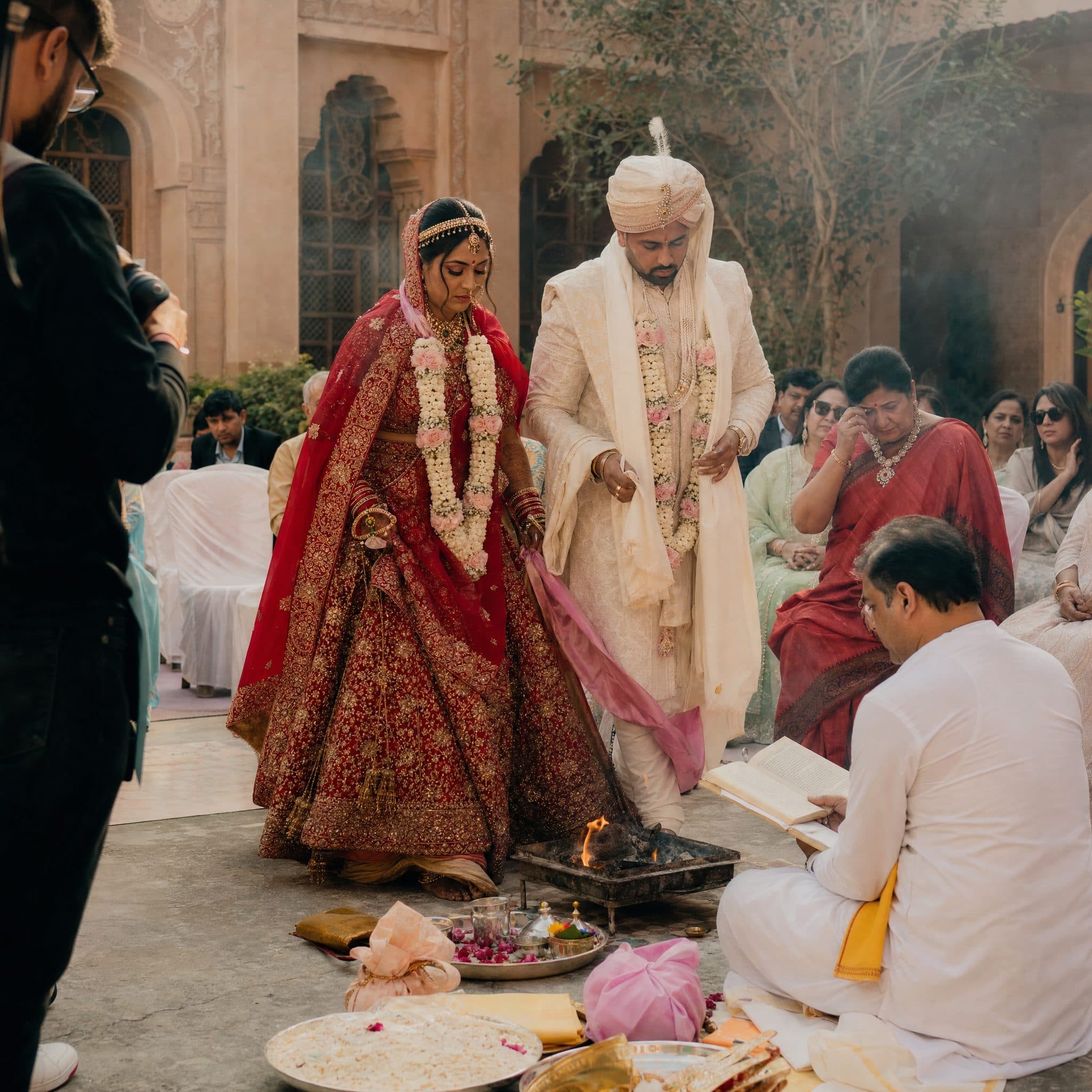
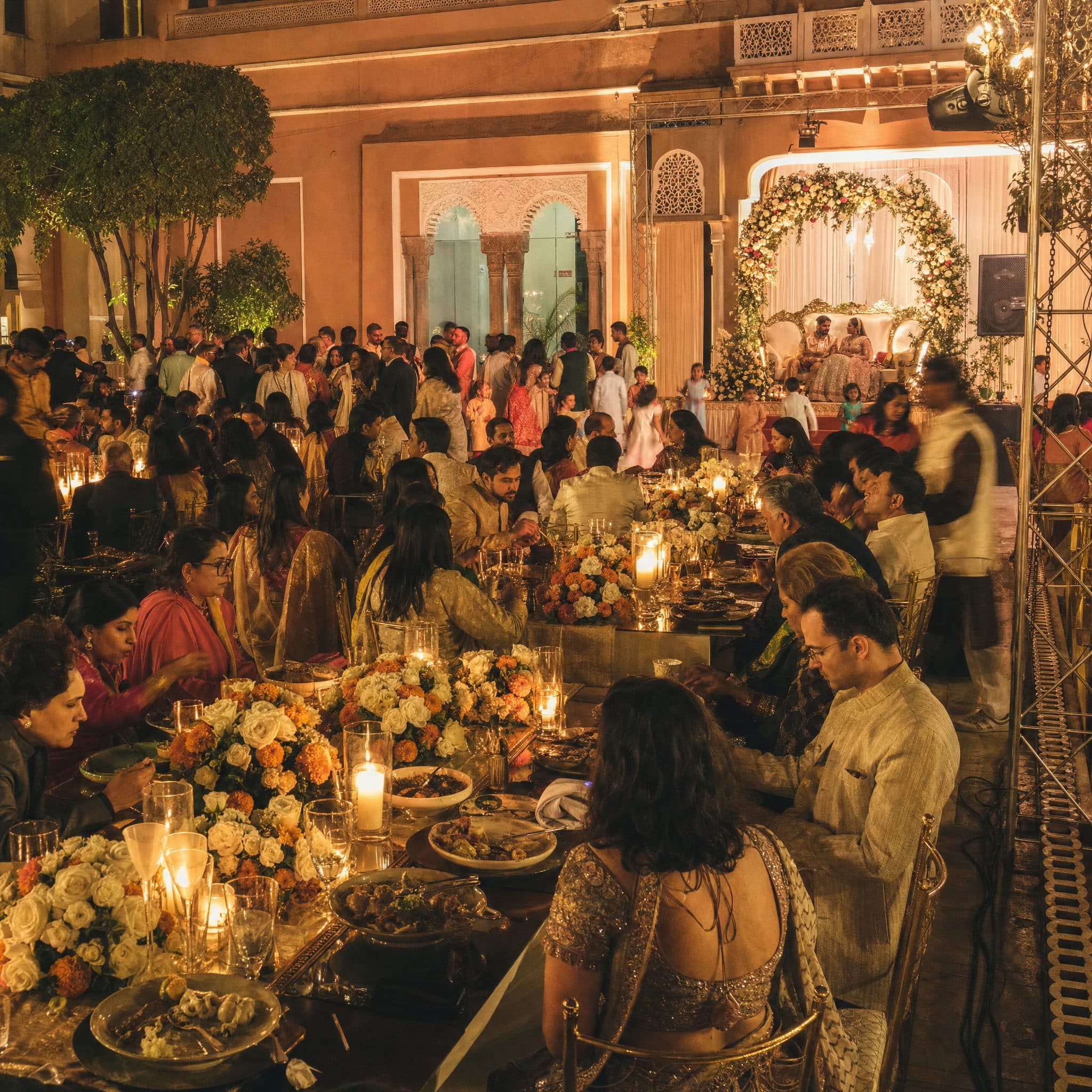
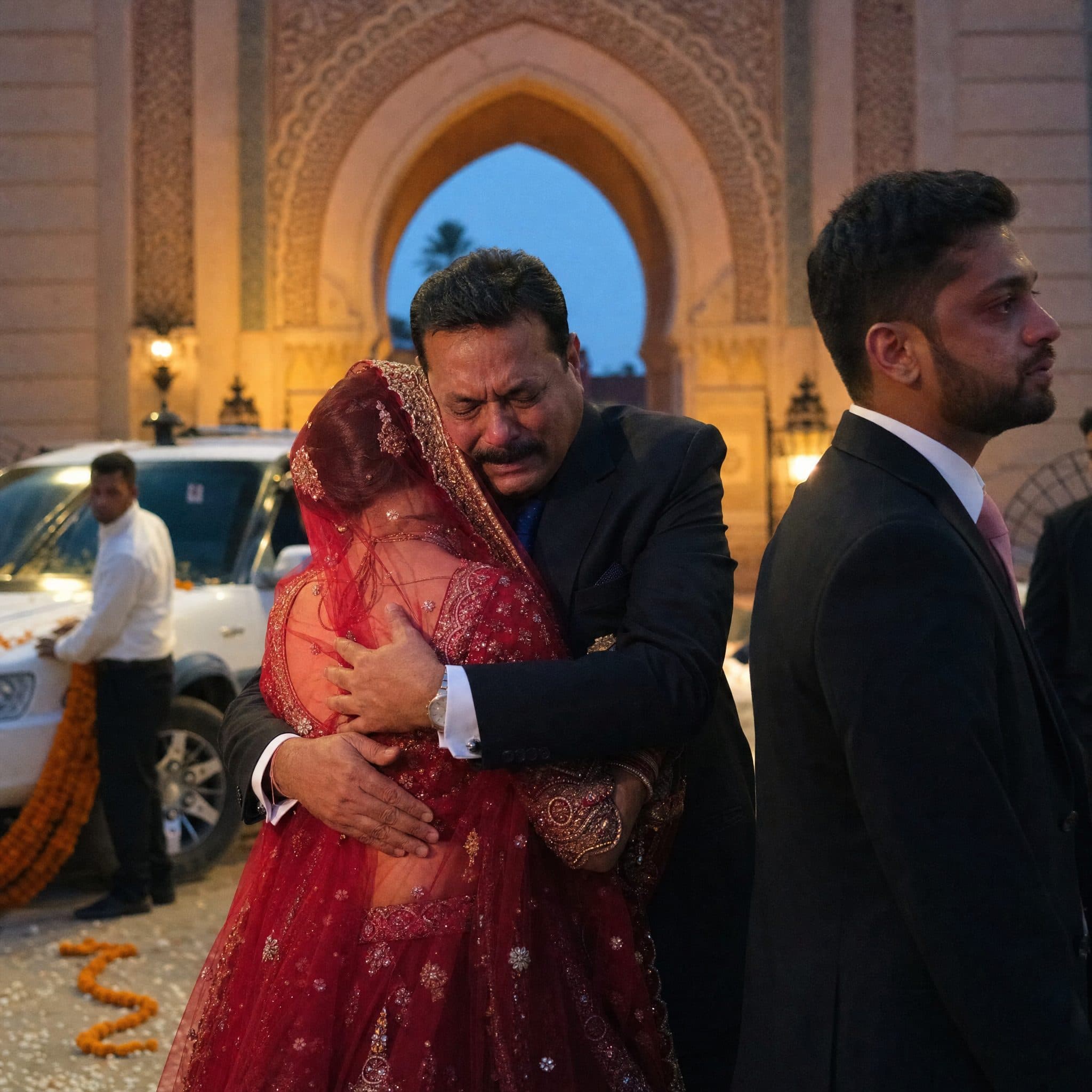
Then the day itself: the Baraat, the Milni, the Pheras or the Anand Karaj, and a reception that is the only formal meal of the week. And then the Vidaai, which is quiet, and which is the reason the rest was loud.
The two builds nobody sees
Between the Sangeet and the ceremony, one courtyard becomes a different place. The stage comes down, the rig comes out, the floor is cleared, and a mandap goes up in the dark. That happens once, overnight, with a crew working while the family sleeps, and it is the single most demanding piece of production in the week.
The second is smaller and just as tight: the ceremony space becoming a reception, usually inside an afternoon while four hundred people are getting changed. Both of them depend on having the site overnight and on power, which is why those two lines belong in the venue contract rather than in a conversation.
What each day asks of your guests
Day one asks almost nothing: a morning outdoors and an evening free. Day two is the long one, an afternoon of henna into a night of performances, and it is where the week is won or lost for anybody over seventy.
Day three is the wedding, which for a guest means six hours of sitting, standing, processing and eating in heavy clothes. Day four asks only that they get to the airport, which is why the last morning is worth planning properly rather than leaving to the hotel.
Guests have a finite amount of energy and it is spent by the third evening. Put the thing you care most about before that point, not after it.