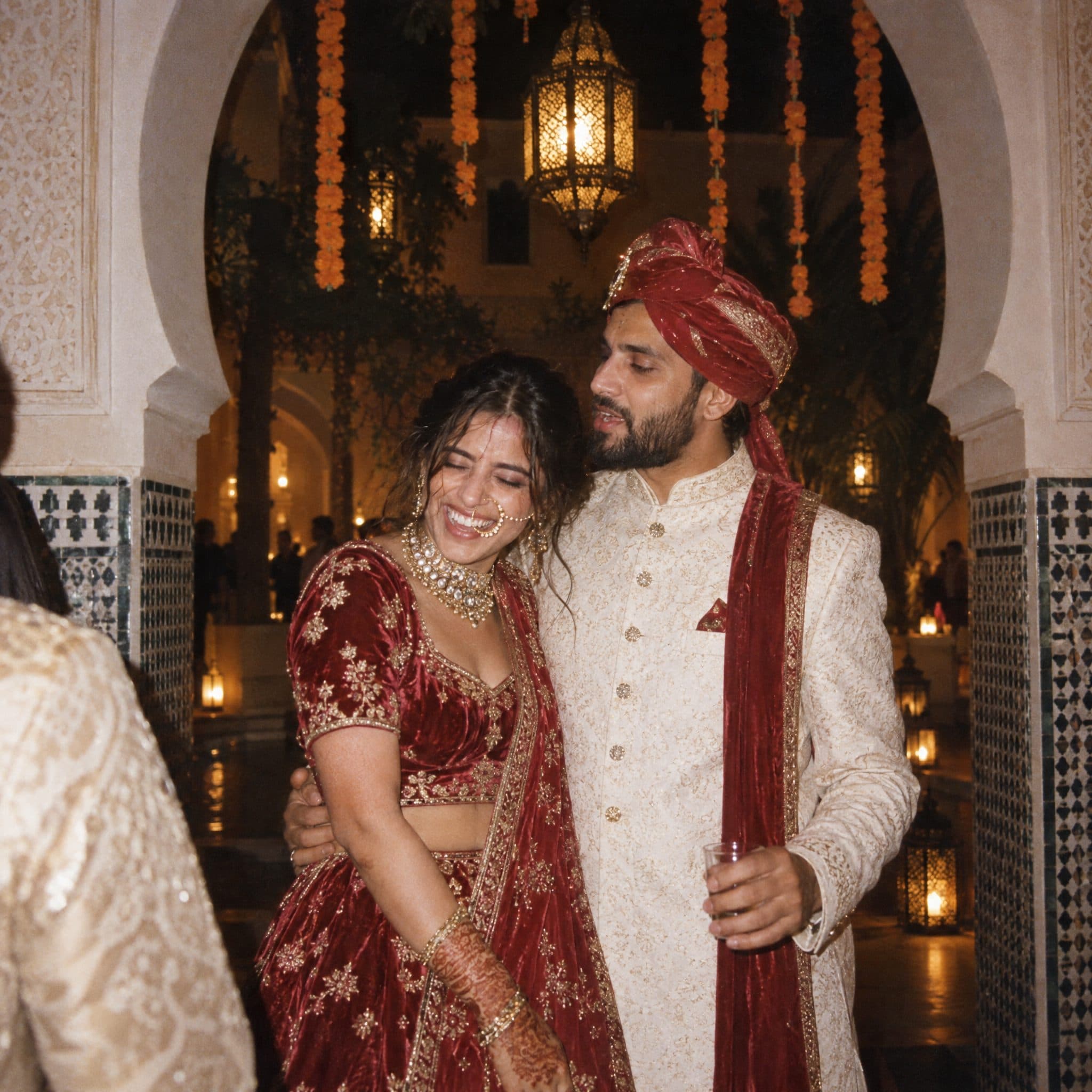
Four days is the standard, and it is the standard for a reason. It fits Haldi, Mehndi, Sangeet and the wedding day with a welcome dinner on the evening people land, and it keeps guests for four nights, which is the length most people will take off work for a wedding abroad.
Three days
Doable, and it means combining. Usually the Haldi and Mehndi share a day, morning and afternoon, and the Sangeet moves to the evening before the wedding.
It saves a night of accommodation for every guest, which across three hundred people is a real number. It also makes for a compressed and slightly frantic week, and the Sangeet the night before the ceremony means a tired mandap morning.
Four days
Day zero is arrivals and a welcome dinner. Day one Haldi. Day two Mehndi. Day three Sangeet. Day four the Baraat, the ceremony and the reception. Day five brunch and departures.
That is five nights of accommodation for anyone arriving the day before, which is most people.
Five days and more
Adds a rest day in the middle, usually with an optional excursion, and separates the Mehndi from the Sangeet so nobody is dancing with wet henna.
Guests appreciate the breathing room. The cost is another night of rooms and another day of staffing, and attendance on the extra day is always lower than the RSVP suggested.
- How many days is a typical Indian destination wedding?
- Four days of events, five nights of accommodation for most guests. A typical schedule runs a welcome dinner on arrival, Haldi, Mehndi, Sangeet, then the Baraat, ceremony and reception on the final day, with a brunch before departures.