
Almost every couple who marries in Marrakech signs the legal paperwork at home, in the country they live in, either shortly before they fly or shortly after they return. The ceremony here is the wedding as far as both families are concerned, and the registry office is treated as what it is, which is administration. This is the ordinary route and it is the one we recommend.
What almost everybody does
A short civil registration at home, often with two witnesses and nobody else, in the weeks before travelling. No announcement, no photographs, and frequently the parents are not there, because as far as the family is concerned the wedding has not happened yet.
Then the Pheras, or the Anand Karaj, in Marrakech, with the eight hundred people who came for it.
Why that is the simple answer
Your certificate is issued where you live, which is where you will actually need it: a mortgage, a visa application, a name change, a joint account. A certificate issued abroad has to be translated, legalised and recognised before any of those will accept it, and that process is measured in months.
It also removes a foreign authority from the critical path of your wedding. Nothing about the week in Marrakech then depends on a document arriving.
| Registering at home | Registering in Morocco | |
|---|---|---|
| Where the certificate is issued | Your own country, in your own language | Morocco, in Arabic and French |
| What it takes | A booking, two witnesses, a morning | A document chain through your embassy, translation and legalisation |
| How long | Weeks | Months, and it varies by nationality |
| What it depends on | You turning up | A foreign authority's timeline, inside your wedding timeline |
| Using it afterwards | Immediately accepted at home | Needs translation and legalisation before anyone at home accepts it |
If you want the legal marriage to happen in Morocco
It is possible in principle for foreign nationals, and the requirements are genuinely involved. They run through your own embassy or consulate in Morocco and the Moroccan authorities, they differ by nationality and in some cases by religion, they require documents translated into Arabic and legalised, and they take months rather than weeks.
We are wedding planners and not lawyers, and this page is not legal advice. If you want to go this route, start with your own embassy in Rabat and with a Moroccan notary, at least a year out, and get the requirements in writing before you set a date around them. We will work to whatever schedule that produces, and we will not pretend to know the answer for your passport.
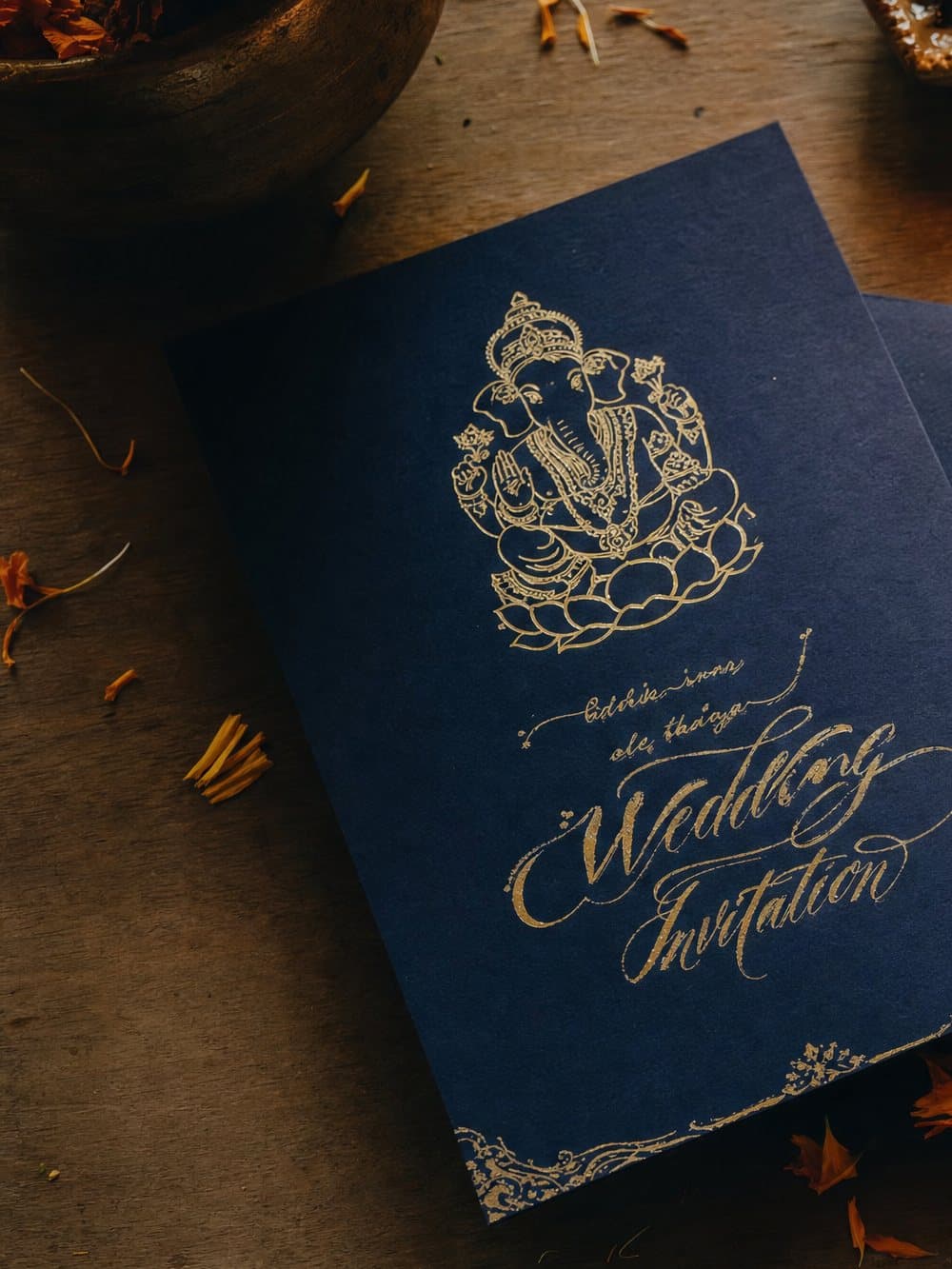
What the ceremony here is, in law
A religious and cultural ceremony, which is what everyone has flown for. A Hindu or Sikh ceremony held abroad is not automatically a legal marriage in the country you live in, and it does not need to be for the week to be exactly what your family expects.
Nobody at the mandap asks to see a certificate. The pandit does not issue one, and the venue does not require one.
What we do about it
We tell you this early, in month one, because couples who hear it in month ten have often spent weeks on the wrong problem.
Where a venue or a supplier asks for documentation, we say what is actually needed, which is usually passports and nothing else. And we keep out of the part that belongs to a registrar.